Active
Early Bird
Until 30 October 2026
+ VAT where appropriate *
Cultural heritage at the forefront of transformation
Innovative scientific methodologies and challenging projects marking future trends in the protection of cultural heritage have initiated a universal conversation within a holistic approach, merging expertise from the scientific fields of architecture, civil engineering, surveying engineering, materials science and engineering, information technology and archaeology, alongside heritage professionals specializing in restoration and conservation, stakeholders, industry representatives and policy makers. The combined utilization of digital documentation technologies with innovative analytical and non-destructive techniques, numerical, computational and 3D techniques, and advanced interpretative methods supports the creation of a transdisciplinary multispectral modelling towards the sustainable preservation of cultural heritage. Innovation is enhancing and revealing a critical dimension of the preservation of cultural heritage along with social participation, communication, and capacity building.
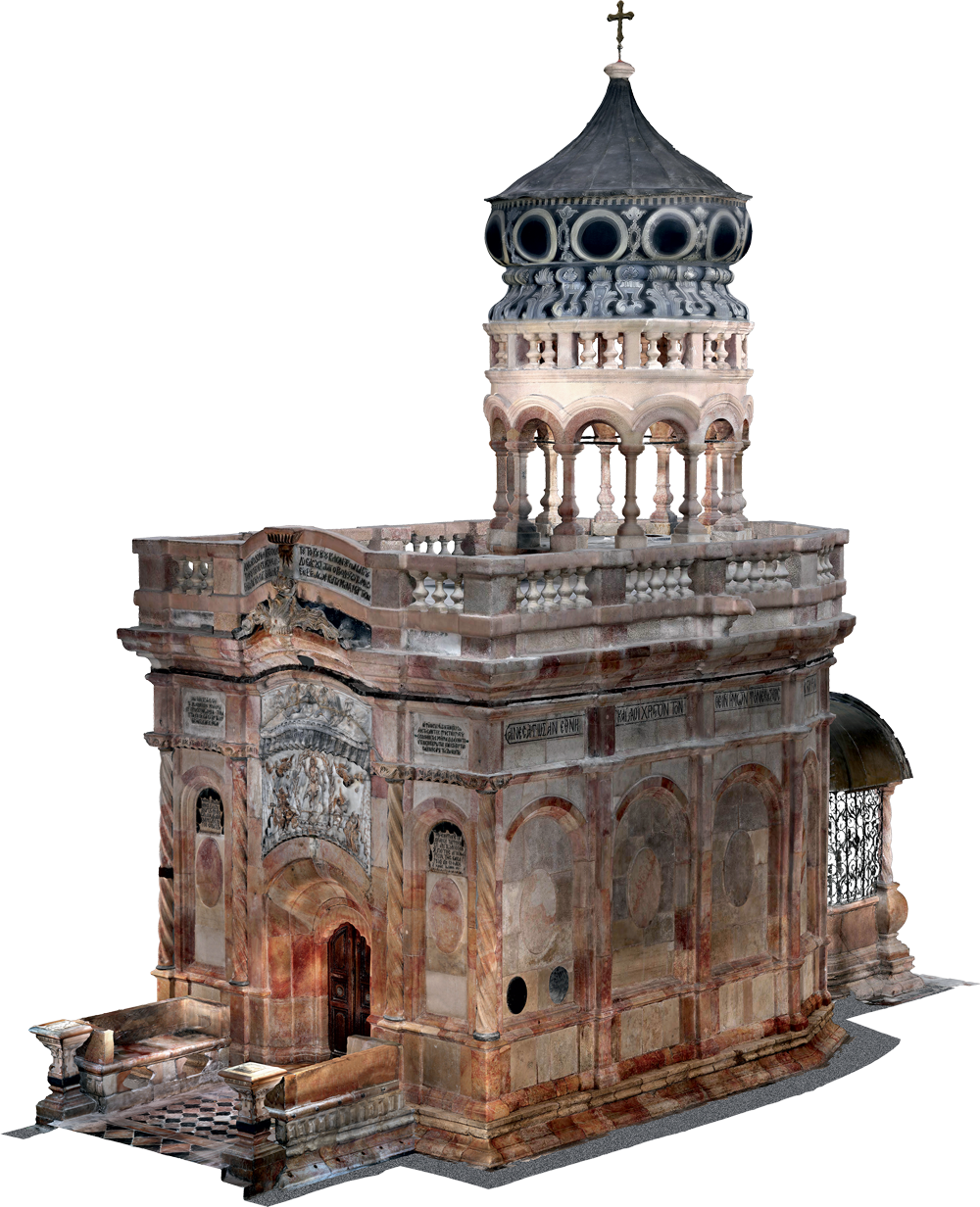
This 5th International Conference holds a landmark anniversary significance, as it coincides with ten years since the historic opening of the Holy Tomb in the Church of the Holy Sepulchre in Jerusalem, underscoring the lasting impact of emblematic heritage interventions and international cooperation in advancing research, innovation, and sustainable preservation.
The National Technical University of Athens interdisciplinary team “Protection of monuments” [Prof. A. Moropoulou, Prof. M. Korres, Prof. A. Georgopoulos, Prof. C. Spyrakos, Ass. Prof. C. Mouzakis], scientific responsible for the Holy Aedicule’s rehabilitation of the Holy Sepulchre in Jerusalem, and the Technical Chamber of Greece, in collaboration with the Hellenic network transferring the advanced and interdisciplinary know-how for sustainable preservation of Cultural Heritage responding to great technical and societal challenges, established at the Technical Chamber of Greece, in collaboration with international and Greek Organisations and Universities, are organizing the 5th TMM_CH International Conference on “Transdisciplinary Multispectral Modelling and Cooperation for the Preservation of Cultural Heritage, Cultural heritage at the forefront of transformation”, on 14-16 December 2026 in Athens, Greece, opening future opportunities in the original agora of our technological and democratic roots.
The Conference is organized by the National Technical University of Athens, in cooperation with the Technical Chamber of Greece, under the auspices of H.E. the President of the Hellenic Republic, Mr. Constantine An. Tassoulas, and with the benedictions bestowed by His All-Holiness Ecumenical Patriarch Bartholomew I of Constantinople, His Beatitude Archbishop Ieronymos II of Athens and All Greece, and the three Christian leaders of the Status Quo of the Holy Sepulchre in Jerusalem and the Holy Land: His Beatitude Patriarch Theophilos III of Jerusalem; His Beatitude Archbishop Nourhan Manougian, Armenian Apostolic Patriarch of Jerusalem; and the Custos of the Holy Land, Very Rev. Fr. Francesco Patton, O.F.M.
Distinguished scientists and representatives of the International Council on Monuments and Sites (ICOMOS), the Organization of World Heritage Cities (OWHC), the Cultural Heritage Finance Alliance (CHiFA), the World Monuments Fund (WMF), the International Federation of Surveyors (FIG), the International Committee for Heritage Documentation (CIPA), Europa Nostra, the European Construction Technology Platform (ECTP), the European Commission (Interactive Technologies, Digital Policy for Culture and Education), the European Society for Engineering Education (SEFI), AHEPA Hellas 10 and other major International and European Organizations, Associations, networks, Universities and Research Centers in the field of cultural heritage preservation, comprise the International Steering and Scientific Committees, building on the success of the 1st, 2nd, 3rd and 4th TMM_CH Conferences in 2018, 2021, 2023 and 2025. The conference will be held at the Eugenides Foundation in hybrid format. On-site attendance and oral presentation is required.
The Conference will showcase research results, methodologies, and emblematic applications, demonstrating how the utilization and reuse of monuments, historic cities and sites form the framework of a sustainable preservation of cultural heritage, in accordance with the principles of circular economy; in terms of respect and protection of values, materials, structures, architecture and landscape; and with an informed society able to participate effectively in the policies that will design and implement the new strategies required.
By sharing knowledge, experiences, and recommendations on sustainable cultural heritage approaches and practices at a time of major global challenges, new dynamics are established towards future transformations through the adoption of novel interdisciplinary protocols and requirements within a holistic framework encompassing digital heritage, advanced documentation, and innovative conservation strategies, as well as the integration of Memory Twins, Artificial Intelligence, Extended Reality (XR), transverse data analysis, and transdisciplinary dialogue.
You must submit papers via EasyChair, using the conference link:
easychair.org/conferences/?conf=tmm-ch2026
Until 30 October 2026
+ VAT where appropriate *
Until conference dates
+ VAT where appropriate *
* It depends on the country in which you are taxed, e.g. in Greece it is +24%.
The hotels below offer special rates for TMM_CH 2026 delegates. Please use the booking code shown with each hotel when you reserve.
After you have made a reservation, please also notify info@tmm-ch.com.
Listed nearest first.
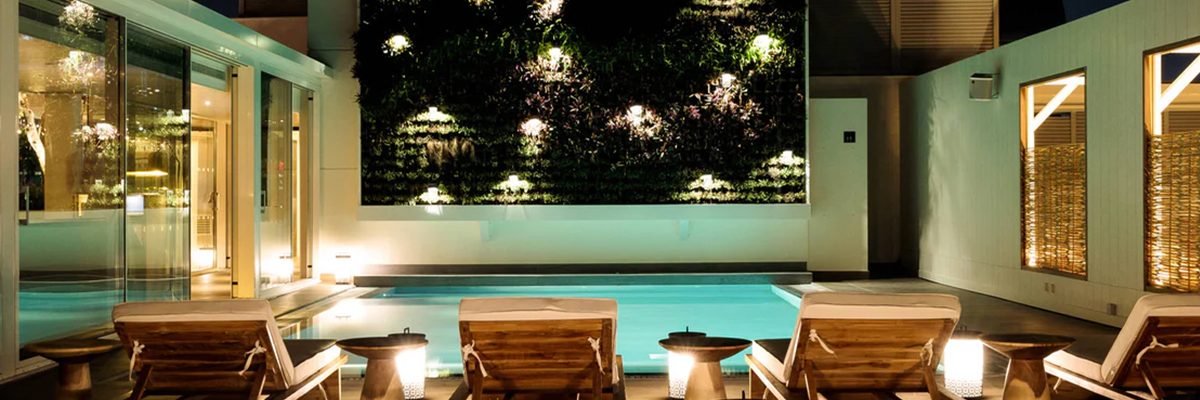
1 94 m from the venue 1 min walk
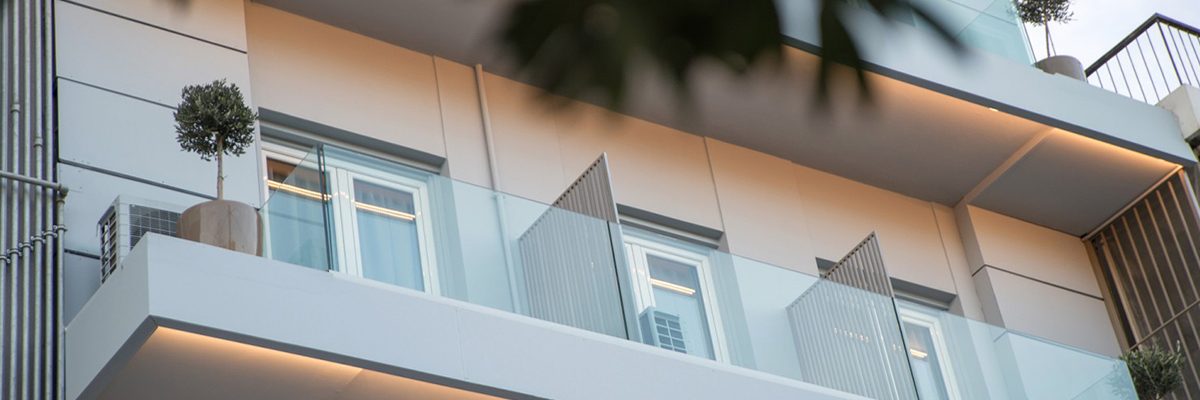
2 1.5 km from the venue 21 min walk · 7 min drive
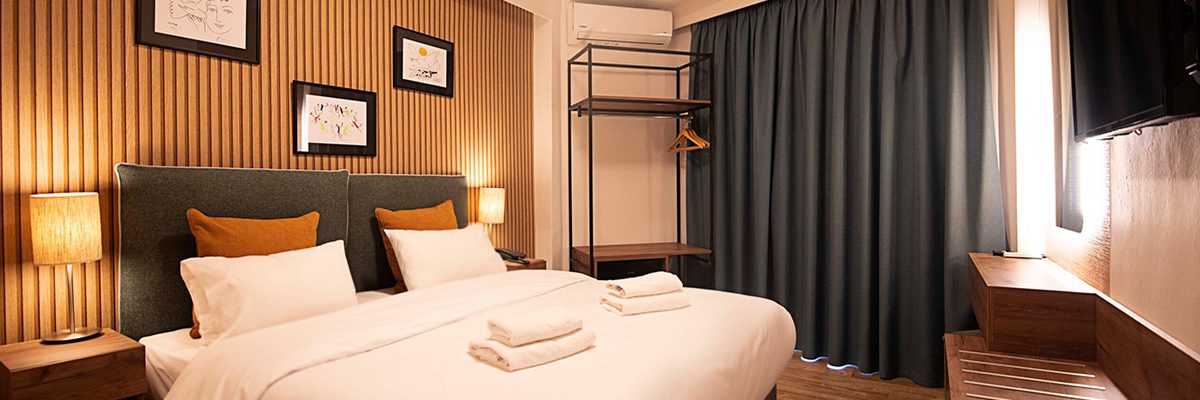
3 1.7 km from the venue 23 min walk · 7 min drive
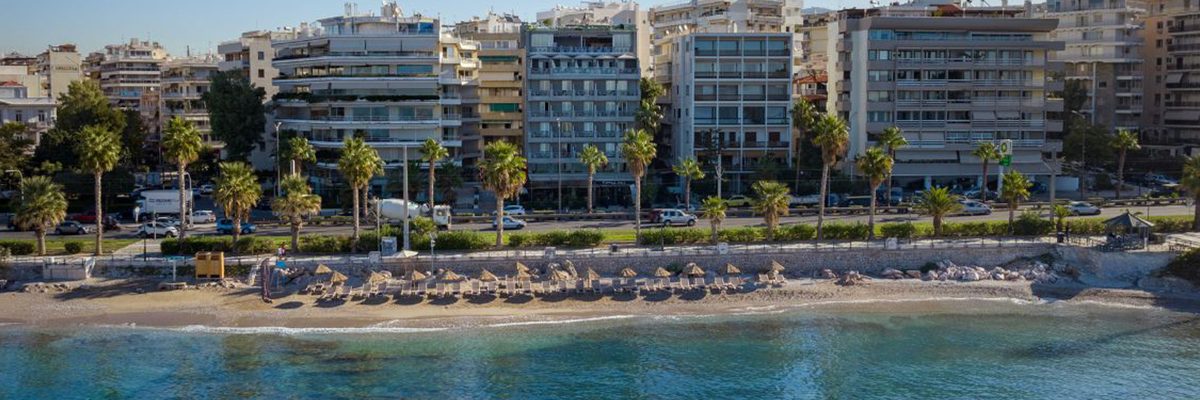
4 1.9 km from the venue 26 min walk · 7 min drive
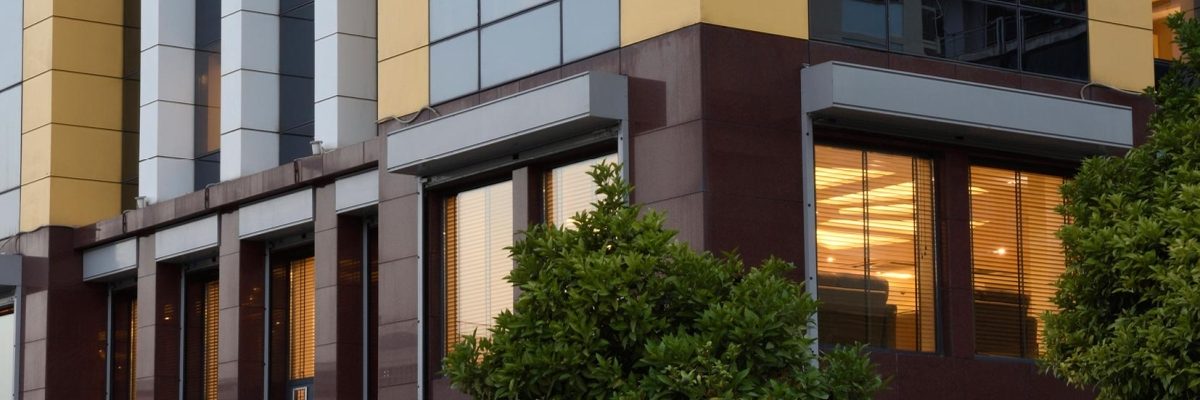
5 2.5 km from the venue 36 min walk · 6 min drive
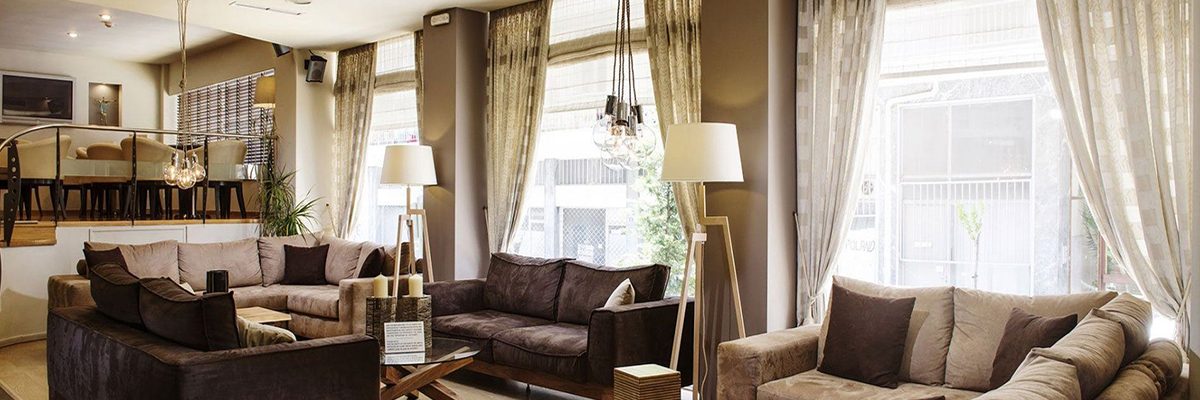
6 4.0 km from the venue 8 min drive
Founded in 1956 and open to the public since 1966, the Eugenides Foundation sits on the Athenian coast as a landmark of science and culture. Home to a Digital Planetarium, Science Centre and state-of-the-art conference facilities, it is an inspiring setting for international scholarly exchange.
Visit the Foundation website